Cabinet Construction Quality: Tariffs, Supplier Tiers, and What You're Actually Buying
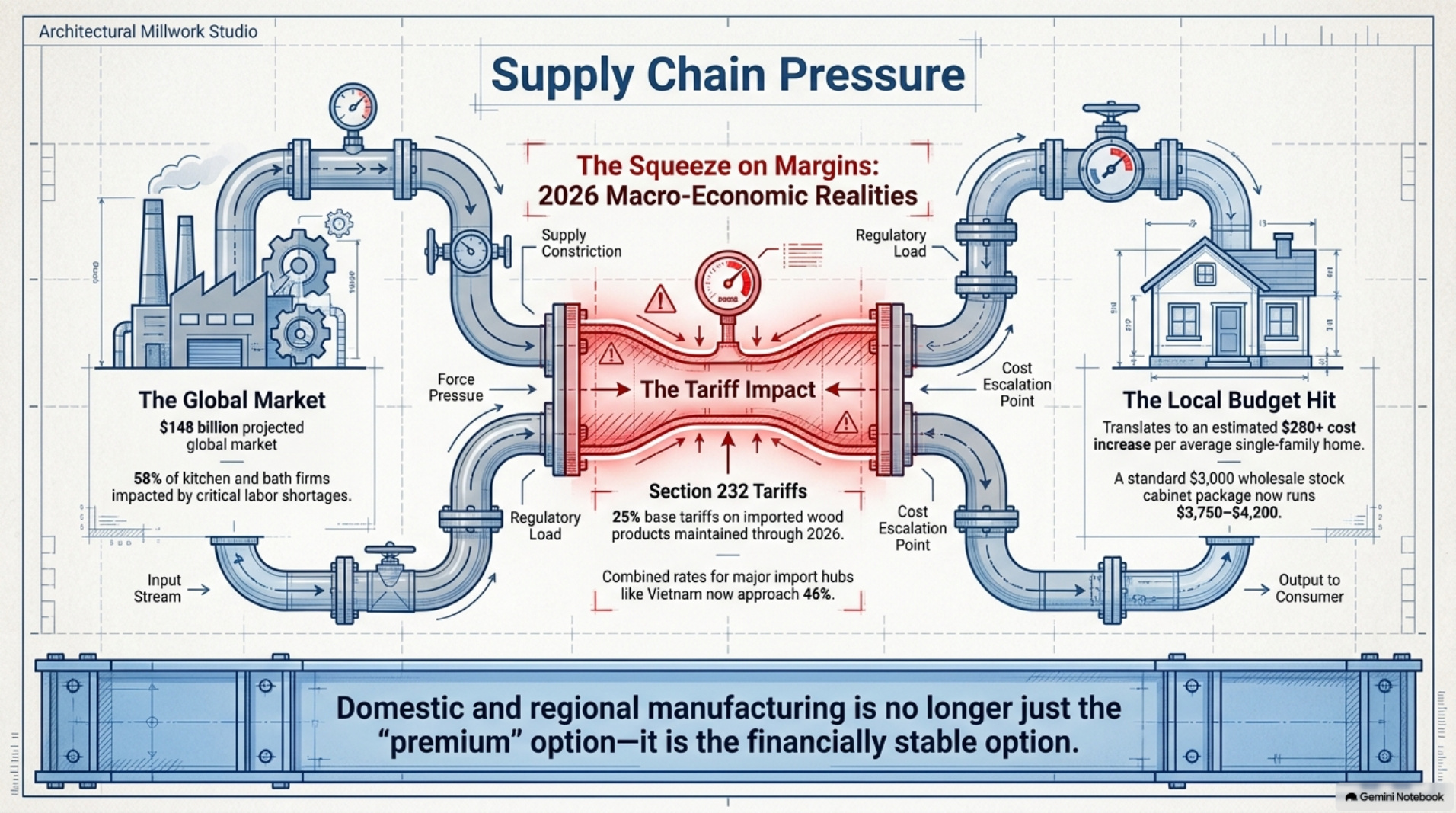
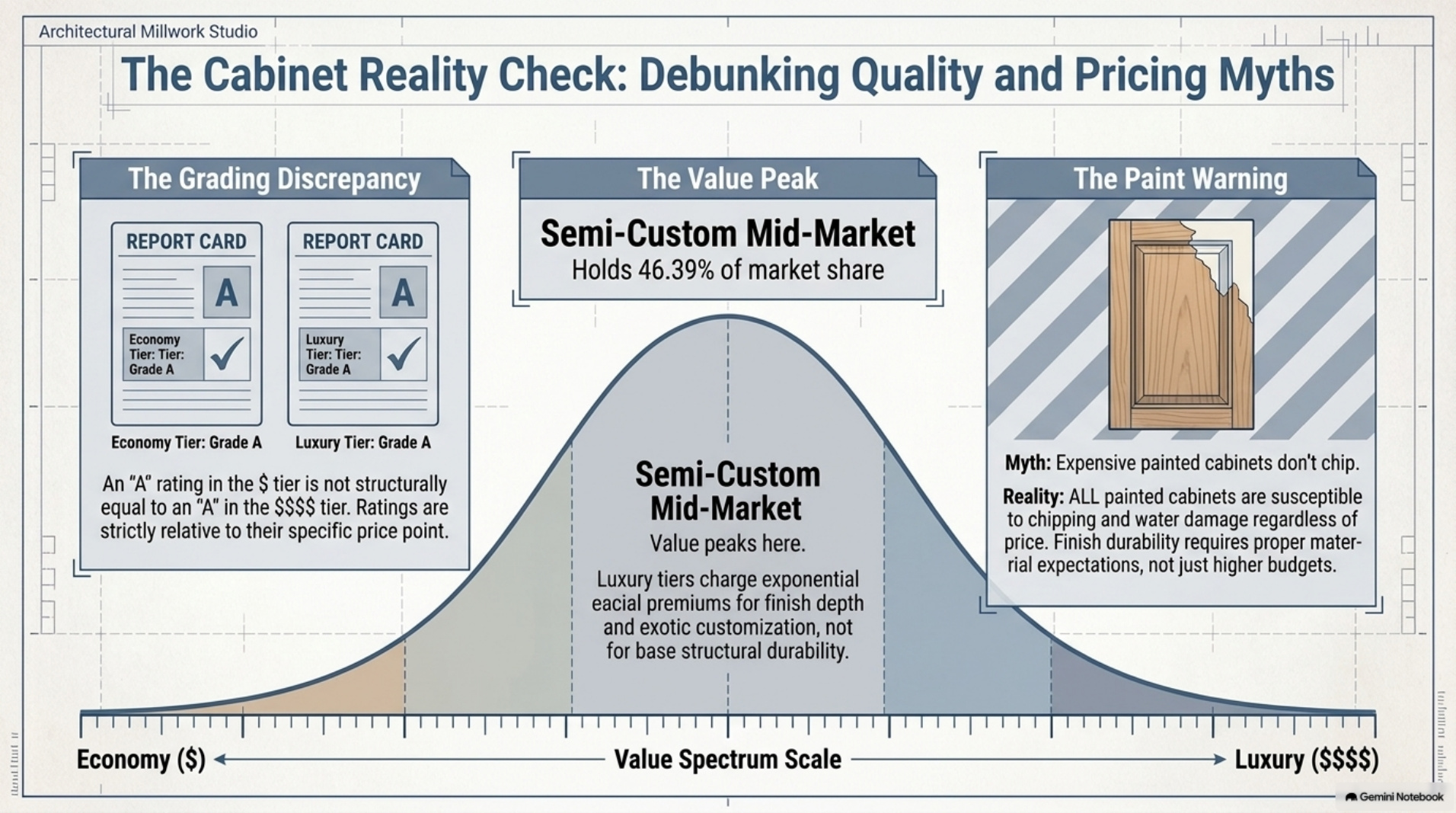
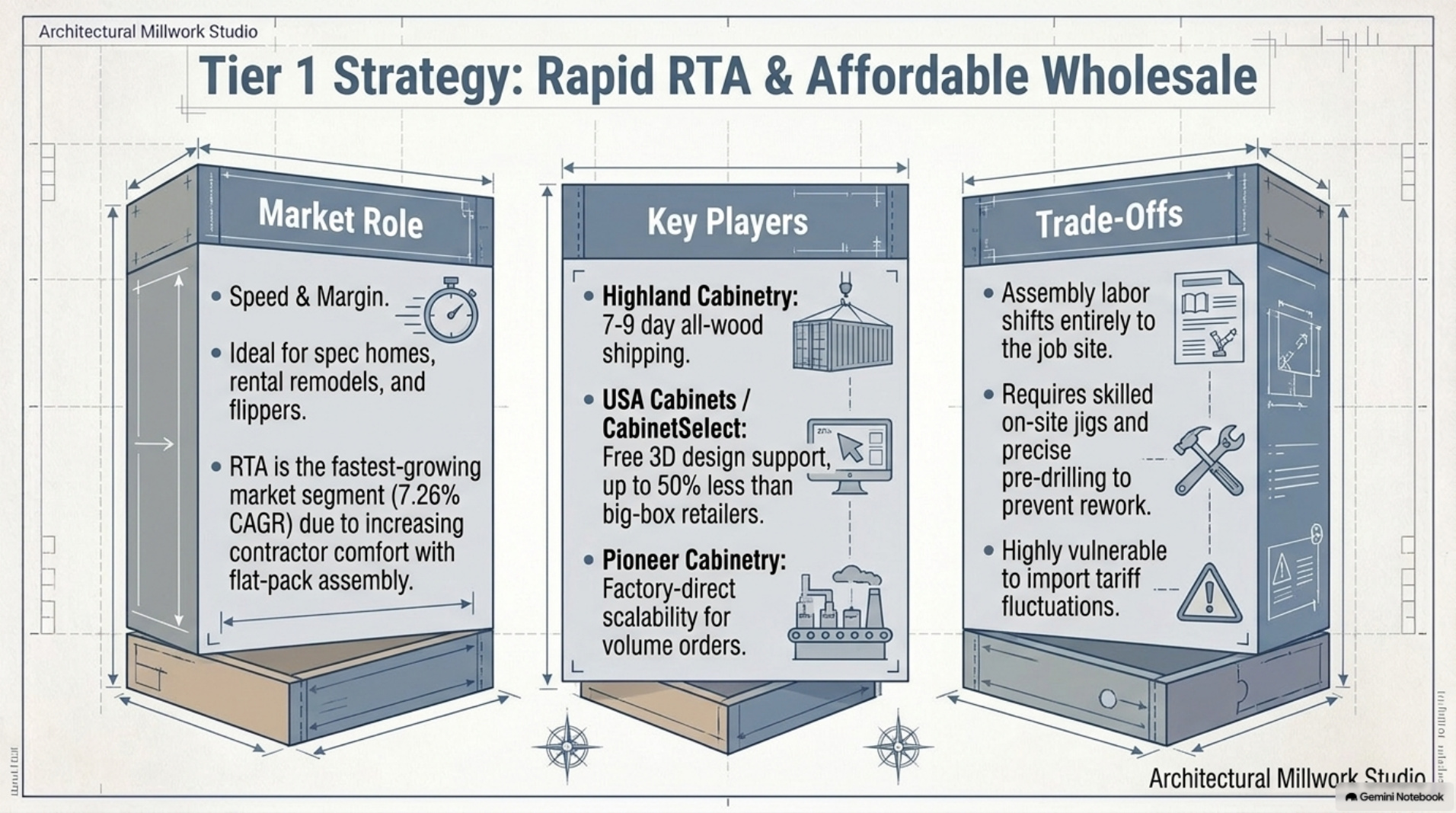
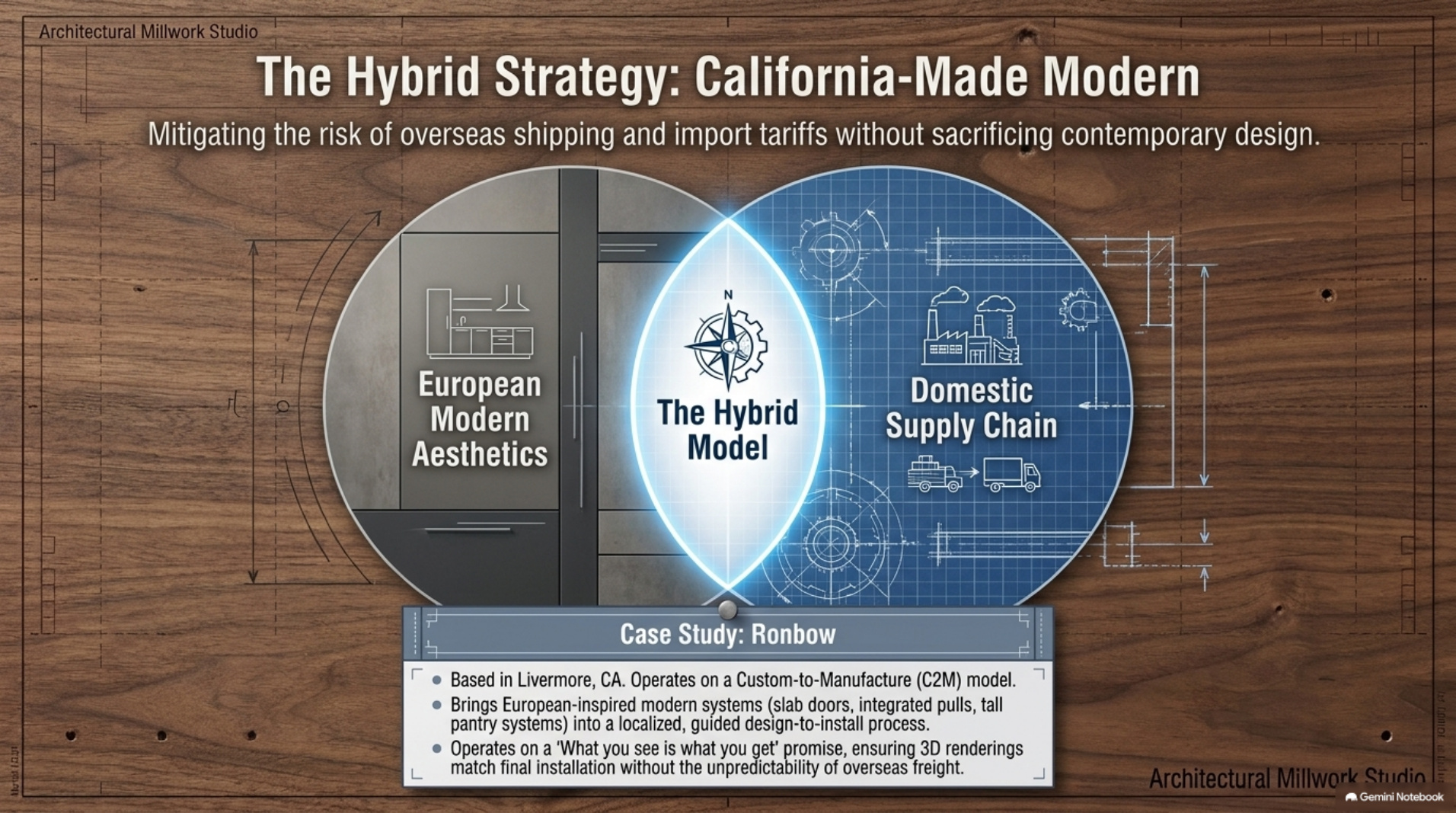
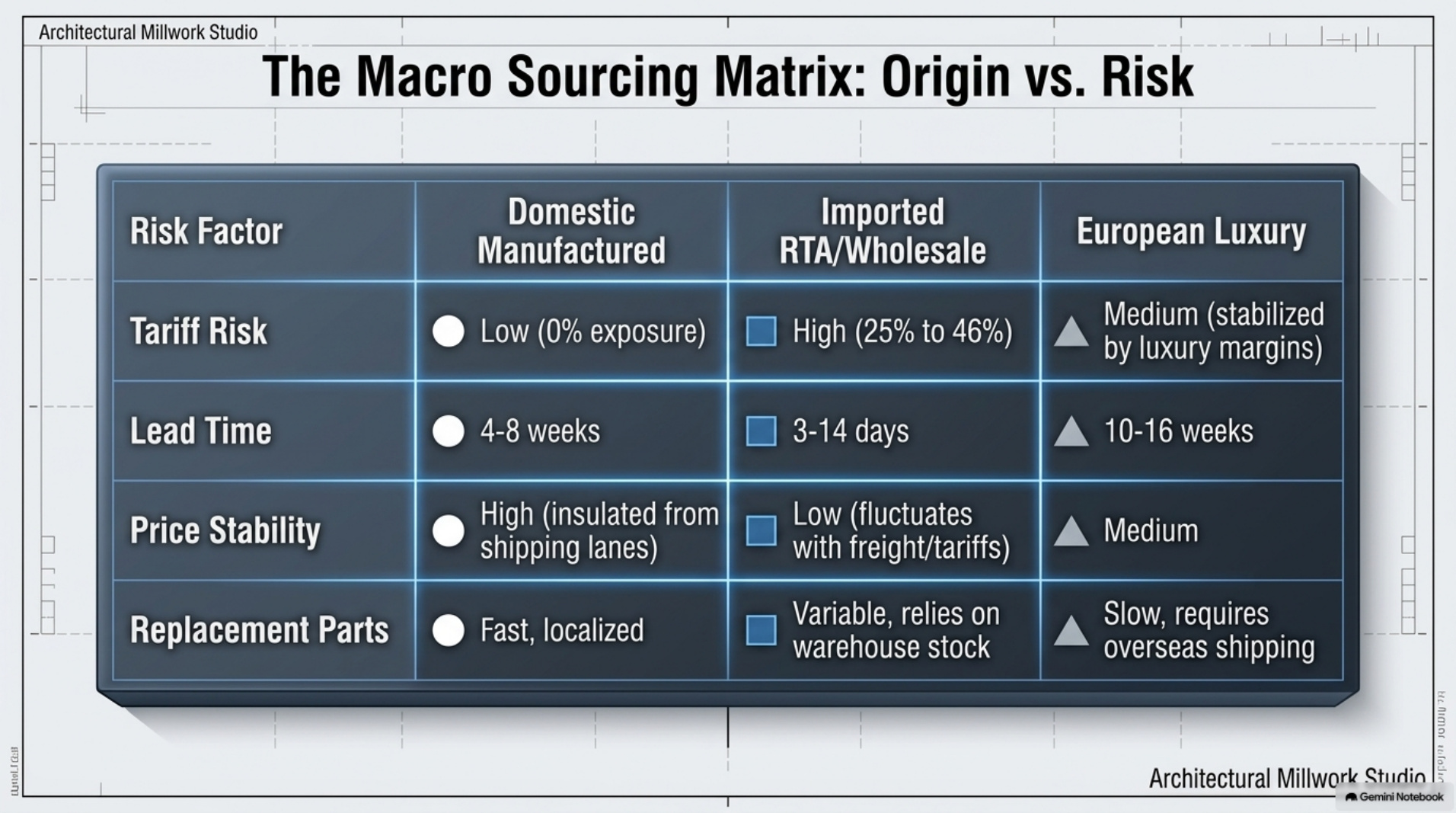
Cabinet pricing has changed in ways that have nothing to do with the wood. Tariffs on imported components have reshaped the cost landscape, and understanding what shifted — and what didn't — is the difference between paying a fair price for quality and overpaying for a brand name.
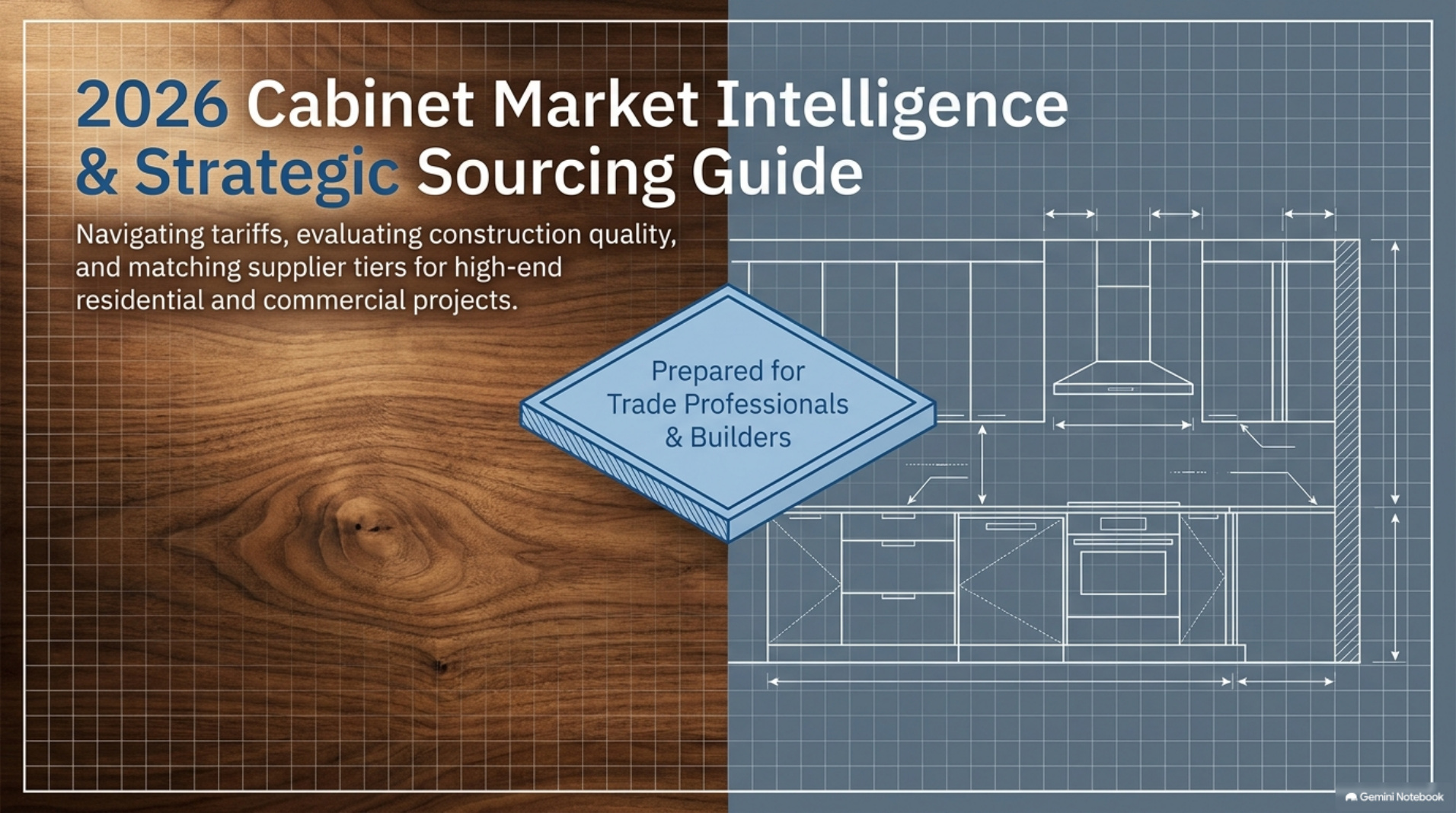
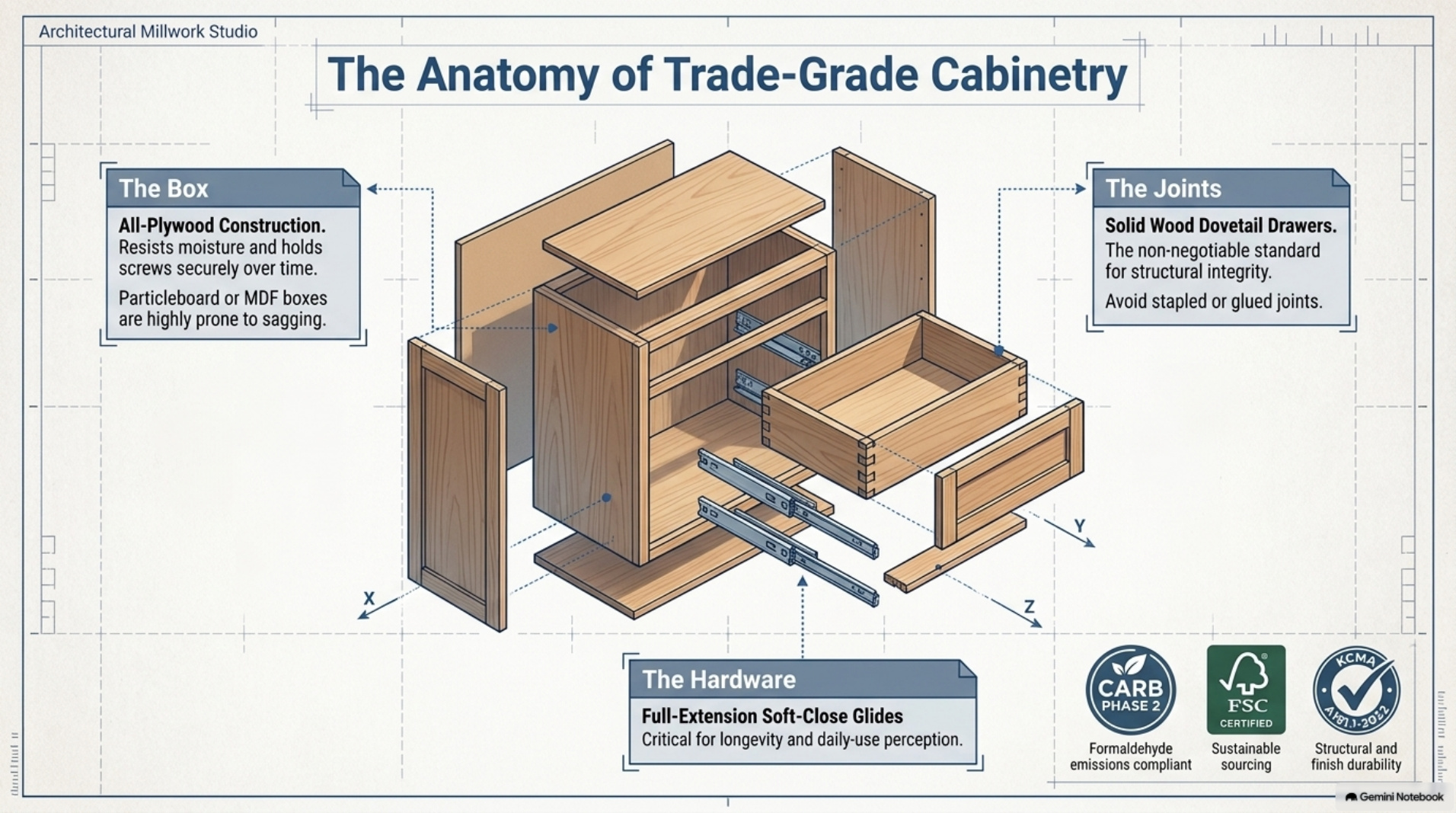
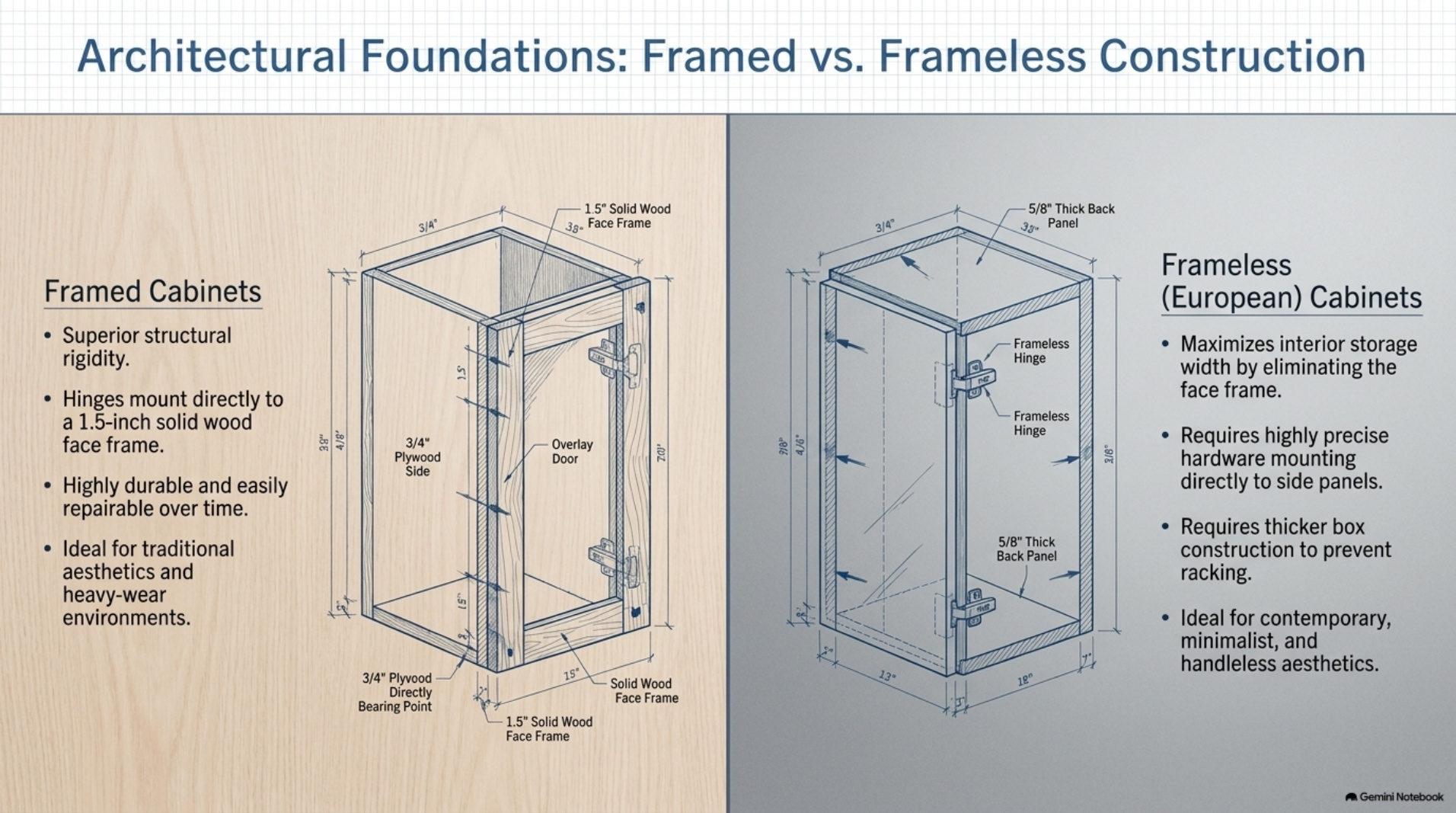
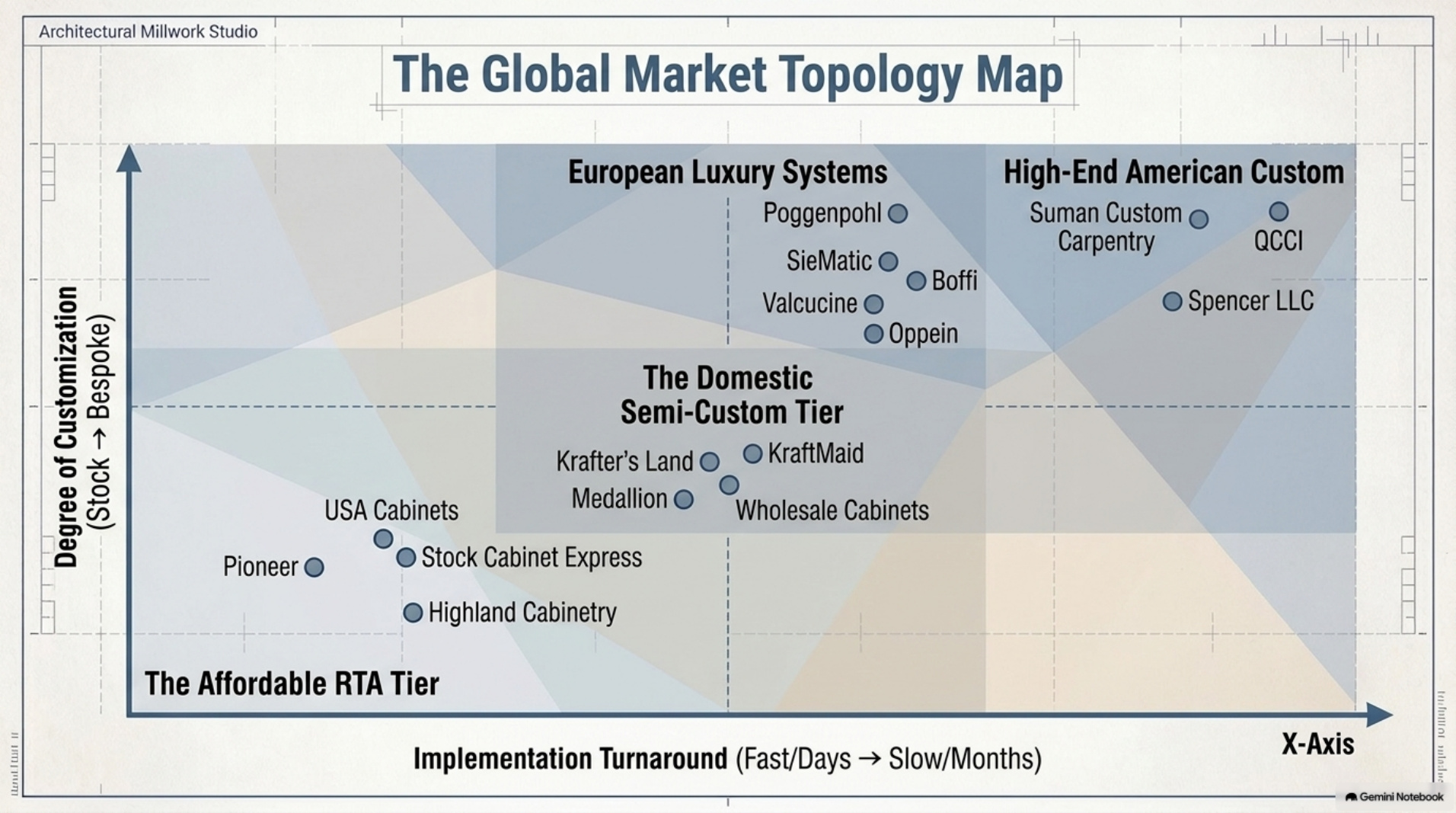
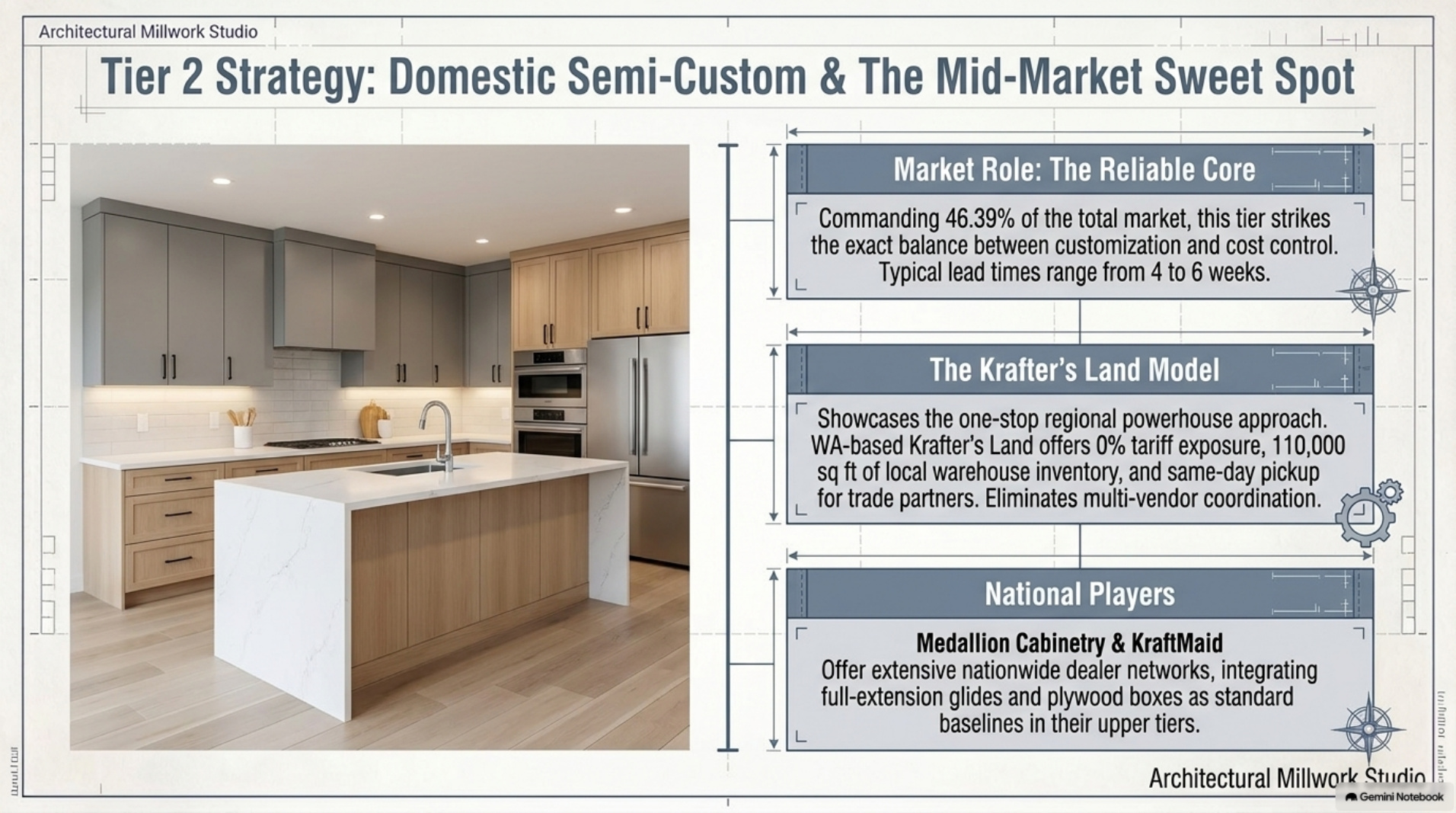
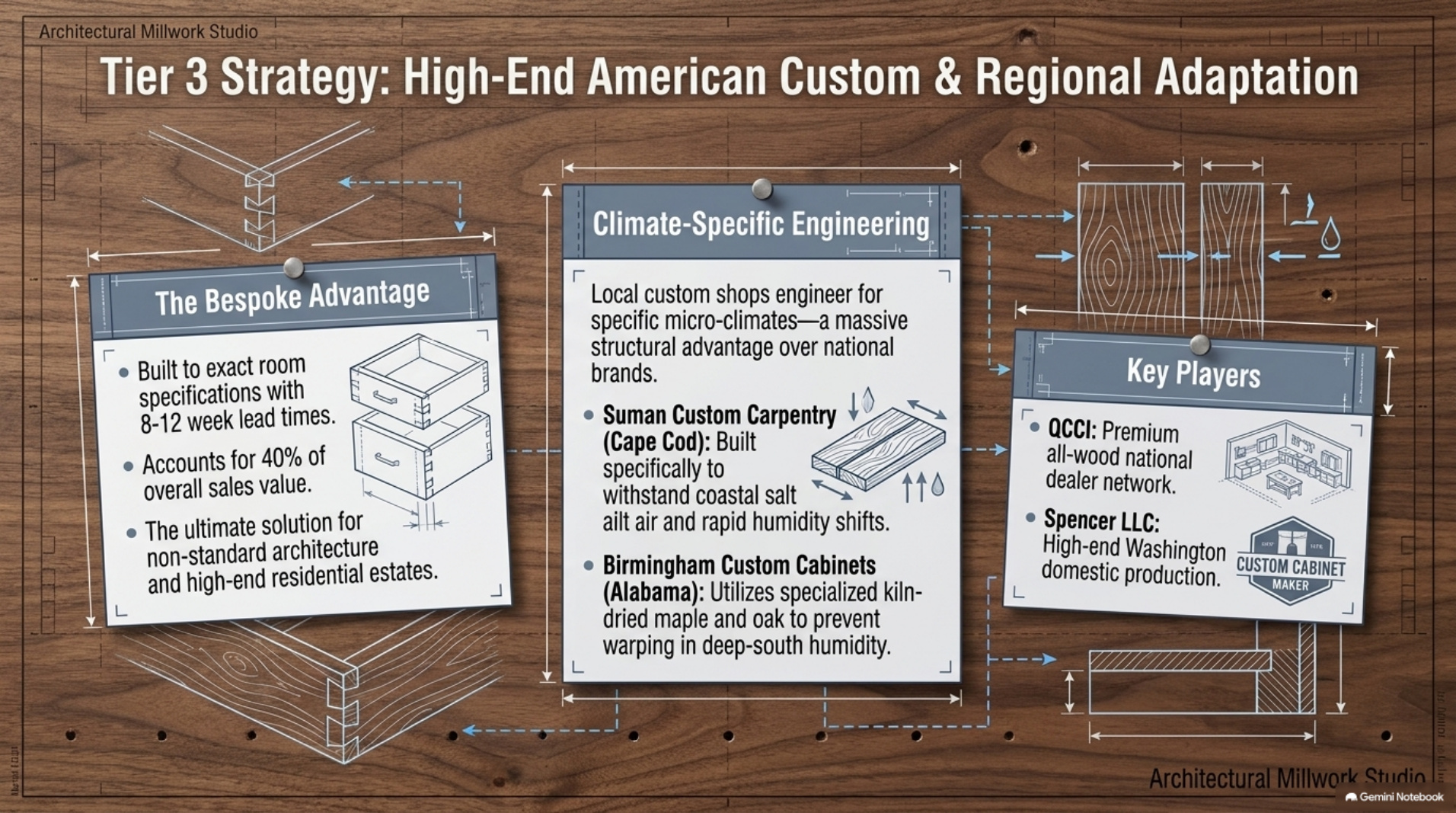
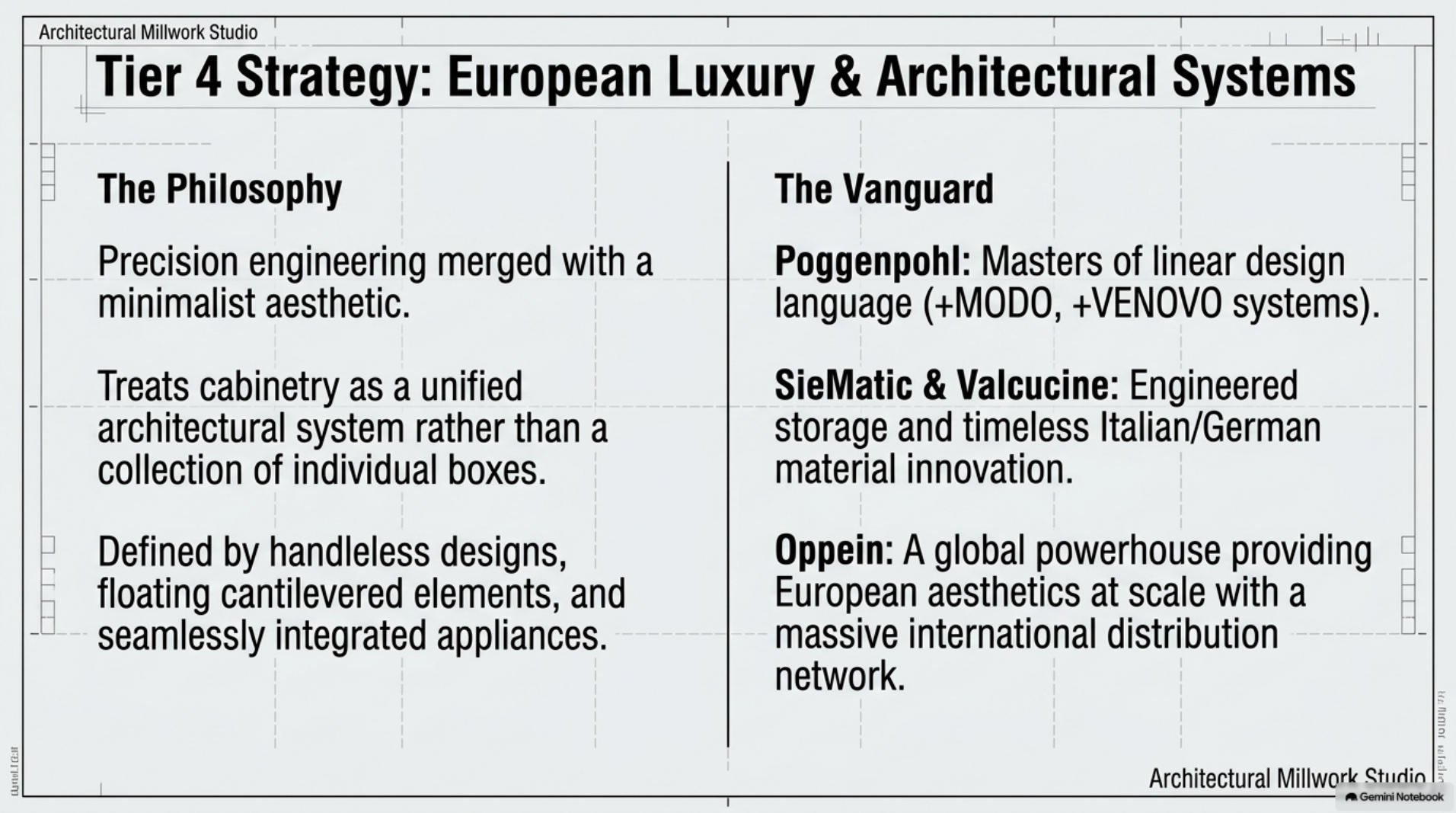
The guide walks through how to evaluate construction quality on a factory floor: joinery standards, material grades, finish systems, and the inspection points that separate genuine craftsmanship from assembled components. It also maps the supplier tiers — from full-custom shops to semi-custom lines to production imports — so you can match the tier to the project instead of the marketing.
The short version
- The article says cabinet pricing has shifted for reasons unrelated to the wood, because tariffs on imported components have reshaped the cost landscape.
- It maps the supplier tiers, from full-custom shops to semi-custom lines to production imports, so a buyer can match tier to project instead of to marketing.
- Quality evaluation is described as a factory-floor exercise covering joinery standards, material grades, finish systems and inspection points.
- Its stated principle is that an informed buyer who knows the tier, the actual materials and the tariff-adjusted price gets quality at the price it deserves.
- The same framework is said to apply to commercial and residential projects alike, with the buyer's job being to know what they are actually buying.
For residential and commercial projects alike, the principle is the same: know what tier you're buying, what the materials actually are, and what the tariff-adjusted price should be. An informed buyer gets quality at the price it deserves.
Ready for a Professional Review?
We can connect you with vetted local professionals who work on projects like yours.
Get Matched with Local Pros